How AI is changing your job (and how to find out exactly how in 30 seconds)
Most "AI will take your job" headlines are too vague to act on. Here's a practical way to see which of your tasks AI changes, and what to do about it this week.


Every week brings another headline about AI and jobs. Most of them share the same problem: they talk about jobs, but nobody does a "job." You do tasks: writing the weekly report, answering the same client questions, building the deck, chasing approvals.
AI doesn't replace a job title all at once. It changes tasks, one at a time. Once you look at your work that way, the question stops being scary and becomes practical.
The four ways AI touches a task
For any task on your plate, AI does one of four things:
| What AI does | What it looks like | What you should do |
|---|---|---|
| Does most of it | First drafts, summaries, data cleanup | Hand it off and review the output |
| Makes it much faster | Research, analysis, outlines | Use AI as a starting point, keep the judgment |
| Makes it better | Feedback, brainstorming, checking your work | Use AI as a second pair of eyes |
| Stays human | Relationships, decisions, accountability | Spend the time you saved here |
The people who do well with AI aren't the most technical. They're the ones who sort their week into these four buckets and act on it.
Try it on your own week
Take five minutes and list the tasks that eat most of your week. For each one, ask:
- Is this mostly producing a first draft of something? → AI can probably do most of it.
- Is this mostly finding and organizing information? → AI can make it much faster.
- Is this mostly judgment, taste or relationships? → It stays yours, and becomes more valuable.
Then pick one task from the first bucket and try it with an AI assistant today. A good first prompt:
I'm a [your role] in [your industry]. Every week I [describe the task].
Here's an example of what I usually produce: [paste one].
Write a first draft of this week's version based on these notes: [paste notes].
Then list anything you assumed that I should check.
Get your personal breakdown
If you'd rather skip the homework, we built a free tool that does this for your specific role. Tell it your job, industry and goal, and in about 30 seconds you get:
- your AI readiness score
- how AI changes each of your actual tasks, and the hours you could get back
- three prompts written for your work
- a short personal plan for learning what matters most for you
Get your free AI Career Readiness Report →
It's free, and you'll also get a short weekly briefing with new ways AI can help in your role. Unsubscribe anytime.
The bottom line
AI won't change your job in one dramatic moment. It's already changing it one task at a time. The people who notice early, and move their time toward the work that stays human, end up with more leverage, not less.
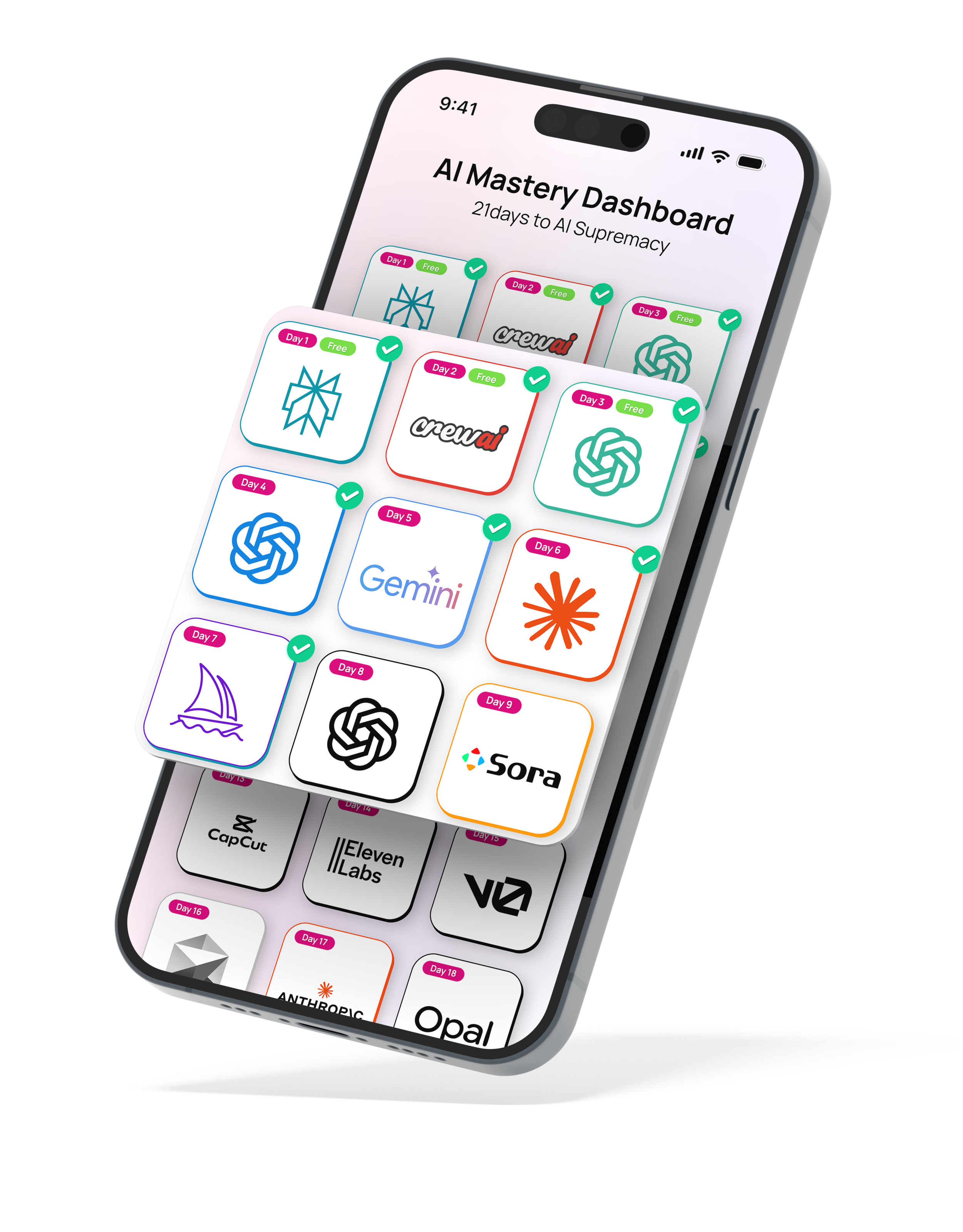
CHALLENGE!
NOW!

MASTER AI
IN 20 DAYS
Learn the most modern AI skills to
become the smartest person in the room.
